The psychology behind why we gamble Understanding the thrill of risk
The psychology behind why we gamble Understanding the thrill of risk
 admin
The psychology behind why we gamble Understanding the thrill of risk
The Allure of Uncertainty
The thrill of gambling often stems from the uncertainty it presents. Each roll of the dice or shuffle of the cards invokes an adrenaline rush, driven by the unpredictable outcome. This unpredictability creates a unique psychological high, appealing to our innate desire for excitement and novelty. As humans, we are naturally drawn to challenges, and the randomness of gambling offers a perfect platform for this inclination. For those interested in understanding more about the dynamics of luck and skill, you can refer to this source.
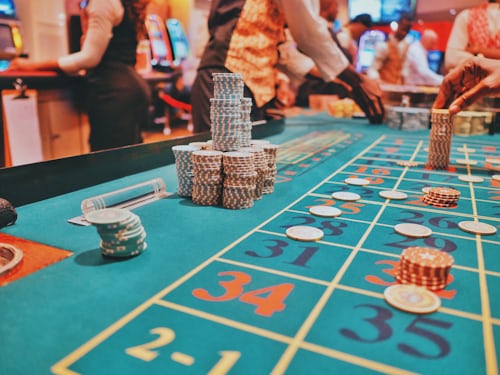
Moreover, the uncertainty inherent in gambling feeds into our cognitive biases. Many individuals often overestimate their ability to predict outcomes, believing that luck is on their side. This phenomenon, known as the illusion of control, leads players to engage in gambling despite the odds being stacked against them, reinforcing the continuous cycle of excitement and risk.
The Role of Reward and Reinforcement
The psychological mechanisms at play in gambling are heavily influenced by the concept of reward and reinforcement. When players win, even if it’s a small amount, their brains release dopamine, a neurotransmitter associated with pleasure. This chemical reaction creates a euphoric feeling that can be addictive, encouraging individuals to gamble repeatedly in hopes of replicating that high.
This reinforcement process is akin to training a pet; the more often the reward is given, the more likely the behavior will be repeated. Gamblers can develop a pattern of behavior wherein they chase losses or seek the thrill of winning, leading them to risk more than they originally intended. This cycle of reward and reinforcement can keep individuals hooked, even when they are aware of the potential consequences.
Luck vs. Skill: The Balancing Act
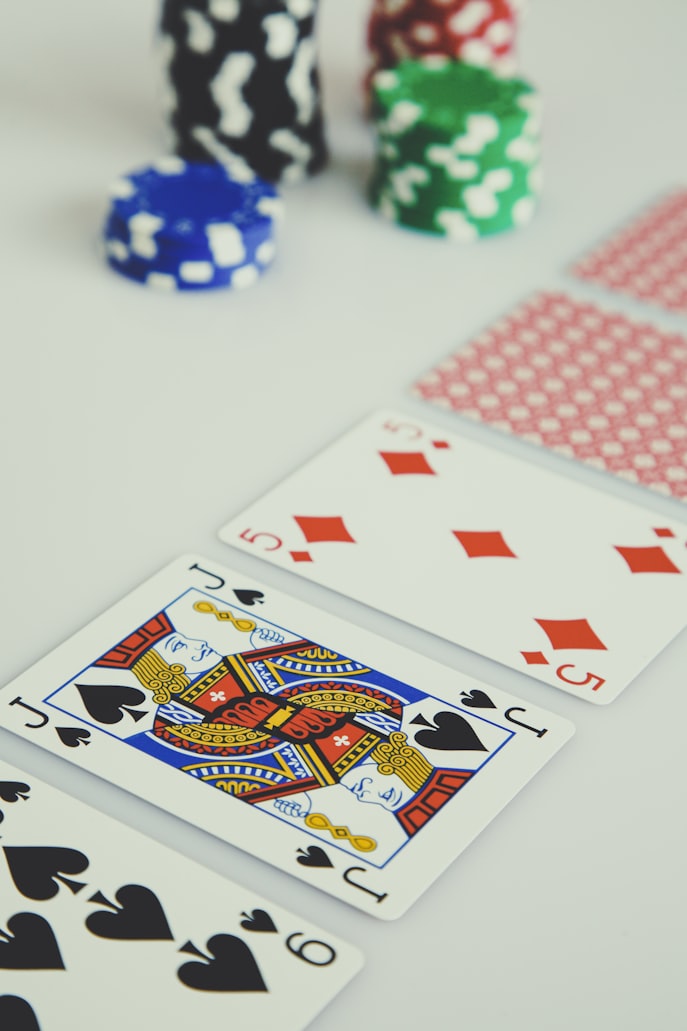
One of the critical debates in the world of gambling is the extent to which luck versus skill influences outcomes. Games like poker require a degree of skill, strategy, and psychological insight, whereas slot machines are purely based on chance. Understanding this distinction can significantly affect a player’s approach to gambling and their overall experience.
Individuals who perceive themselves as skilled players often feel a stronger sense of control and may engage more frequently, believing they can outsmart the odds. In contrast, those who rely solely on luck might approach gambling with a more casual mindset. This division influences not just how people gamble but also how they experience wins and losses, which is a vital aspect of gambling psychology.
Social Aspects of Gambling
Gambling is not just an individual pursuit; it often has a social component that adds to its allure. Many people gamble with friends or family, creating a communal experience that heightens the excitement. The social dynamics involved can lead to a sense of belonging and camaraderie, making the activity even more appealing.
The social environment can also exacerbate the thrill of risk. In a group setting, individuals may feel emboldened to take larger risks, influenced by the collective energy and shared enthusiasm. This communal aspect can help normalize gambling behavior, further embedding it within social circles and making it a more integral part of personal identity.
Connecting Communities Through Shared Interests
Kindexchange is a platform that embodies the spirit of connection and community engagement. Although it focuses on facilitating seamless exchanges and transactions, it also reflects the broader human desire for interaction and collaboration. Just like in gambling, the thrill of risk and uncertainty can be mirrored in trading skills or resources.
By providing a user-friendly interface and robust security measures, Kindexchange enhances the overall experience, allowing users to trade in a secure environment. This platform promotes not only individual transactions but also the building of a community, where users can engage, collaborate, and thrive together. The underlying psychology of risk and reward extends beyond gambling and finds its place in various aspects of our lives, including how we connect and share within our communities.