
The psychology of gambling Understanding the mind behind Pin-Up casino choices
The psychology of gambling Understanding the mind behind Pin-Up casino choices
 admin
The psychology of gambling Understanding the mind behind Pin-Up casino choices
The allure of gambling
The allure of gambling has captivated individuals for centuries, drawing them into a world filled with excitement and risk. This attraction often stems from the thrill of uncertainty and the hope of winning big. Many gamblers are driven by the potential for financial gain, but the psychological aspects at play are equally important. For instance, exploring Kenya betting can provide insights into regional trends and preferences that enhance the overall experience. The anticipation of a win can create an adrenaline rush that keeps players coming back for more.
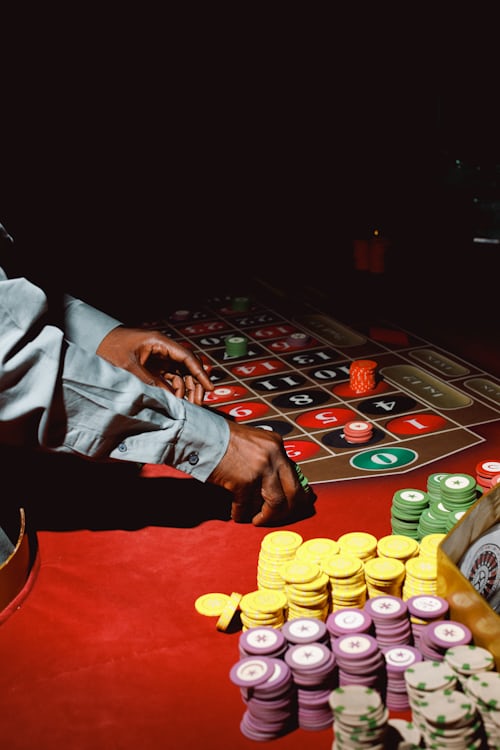
Additionally, the social environment of casinos adds to this allure. Interacting with others who share similar interests can foster a sense of community, making the gambling experience even more appealing. The sounds of slot machines, the cheers from table games, and the vibrant atmosphere create an immersive experience that heightens emotional engagement.
Cognitive biases in gambling
Cognitive biases significantly influence gambling behavior, often leading individuals to make irrational decisions. One of the most prevalent biases is the illusion of control, where players believe they can influence the outcome of games of chance. This misconception can lead to overconfidence and an increased likelihood of placing bets, even when the odds are not in their favor. Many people engage with platforms considered the Official betting site in Kenya, which can complicate these biases.
Another common bias is the gambler’s fallacy, which leads individuals to believe that past events can affect future outcomes. For instance, a player might think that a losing streak means a win is imminent. These cognitive distortions can result in poor financial decisions and a cycle of chasing losses, further entrenching individuals in their gambling habits.
Emotional factors at play
Emotions play a crucial role in gambling behavior, influencing both the decision to gamble and the outcomes experienced. Many individuals turn to gambling as a way to escape negative emotions such as stress, anxiety, or depression. This reliance on gambling as a coping mechanism can create a dangerous cycle where the emotional relief sought is fleeting, leading to further gambling in an attempt to recapture that feeling.
Conversely, positive emotions can also drive gambling behavior. The excitement of a big win can lead to heightened feelings of happiness and satisfaction, reinforcing the desire to gamble. This emotional rollercoaster can make it difficult for individuals to assess their gambling habits objectively, leading them to overlook warning signs of problematic behavior.
The role of marketing and environment
Marketing strategies employed by online casinos, like Pin-Up, are designed to attract and retain players by capitalizing on psychological principles. Promotions, bonuses, and loyalty programs create a sense of urgency and reward, enticing users to engage more frequently. These tactics can manipulate players’ emotions, making them feel valued and incentivizing them to continue betting.
The environment of the casino itself also plays a significant role in shaping gambling behavior. Bright lights, engaging sounds, and the lack of clocks or windows can disorient players, encouraging them to lose track of time and money. This carefully curated atmosphere is intended to keep players immersed and engaged, often leading to prolonged gaming sessions and increased spending.

Enhancing your gambling experience
For those interested in understanding more about gambling and improving their experiences, educational resources are invaluable. Platforms dedicated to providing insights into gambling psychology and strategies can help individuals make informed decisions. By exploring expert opinions and research, gamblers can gain a better understanding of their behavior and learn to approach gambling more responsibly.
Such resources can foster a healthier relationship with gambling, enabling individuals to enjoy the thrill without falling prey to its potential pitfalls. Engaging with knowledgeable communities and utilizing tools that promote responsible gambling can empower players, ensuring that their experiences remain enjoyable and sustainable.
