Can A Hangover Cause Blurry Vision? Understanding The Link Between Alcohol And Blurred Eyesight
Can A Hangover Cause Blurry Vision? Understanding The Link Between Alcohol And Blurred Eyesight
 admin
admin
Optic neuropathy is a condition which is developed as a result of drinking or smoking excessively. Although painless, you begin to lose your vision, struggle to differentiate between colours and gradually lose your peripheral vision. This gets progressively worse over time and long-term consumption of alcohol on a regular basis is one of the main causes. It is also thought to be contributed to by the nutritional deficiencies which come with alcohol consumption. The duration of blurry vision after drinking varies from person to person and depends on factors such as the amount of alcohol consumed and individual metabolism.
Can blurry vision from drinking vodka be temporary or long-lasting?
Chronic alcohol abuse can cause damage to the optic nerves, which can result in long-lasting vision problems. This blurry vision after drinking alcohol condition, known as alcoholic optic neuropathy, typically presents with symptoms such as blurred or foggy vision, difficulty distinguishing colors, and even blindness in severe cases. Many people experience blurry vision after consuming alcohol, even in moderate amounts. This happens because alcohol affects the eye muscles, making it harder to focus properly. Dehydration caused by alcohol also reduces tear production, leading to dry eyes and temporary visual disturbances.
One way alcohol affects you is by causing short-term vision problems and potential long-term eye disease or vision complications 1. When a person consumes alcohol, it is rapidly absorbed into the bloodstream and distributed throughout the body. The alcohol reaches the eyes through the blood vessels, affecting the delicate structures responsible for vision.

The Science Behind Alcohol and Eye Health
When alcohol is consumed, especially in larger quantities, it can suppress REM sleep in the first half of the night, leading to a disruption of the natural sleep cycle. Have you ever noticed someone’s eyes looking unfocused and glossy after they’ve had too much to drink? This isn’t just a superficial change; it actually reveals a lot about the impact alcohol has on our bodies. We think of our patients as family and have been leaders in eye care since 1981. Our modern advanced technology and friendly and supportive staff have led to our being one of the premier eye care and centers for surgery on the western coast of Florida.
Can Alcohol Affect Eye Pressure or Contribute to Glaucoma?
Pace yourself and consume alcohol in moderation, stay hydrated, and eat a balanced meal before drinking. Taking breaks, avoiding mixing different types of alcohol, and drinking responsibly can also help reduce the likelihood of experiencing blurry vision. To protect your vision, it’s important to drink alcohol in moderation or avoid it altogether. If you have concerns about your alcohol consumption or notice any changes in your vision, it is important to consult with a healthcare professional for further evaluation and guidance.
This condition causes irritation, a gritty sensation, and discomfort, especially in dry environments. Alcohol-induced dehydration also contributes to the redness and dryness of the eyes, further enhancing this effect. One of the physical characteristics of someone who is a heavy drinker is bloodshot eyes. This change in appearance is due to alcohol abuse swelling the tiny blood vessels in the eye, enlarging their appearance and making the eyeball look red.
Alcohol abuse can increase the risk of developing cataracts, a major cause of impaired eyesight and blindness, especially in older people. Studies have shown that cataracts typically develop after the age of 55 in most adults, but heavy drinking can cause them to occur earlier. This may be due to nutritional deficiencies caused by alcohol consumption, preventing internal organs from absorbing vitamins and functioning properly. While this is typically a short-term effect that wears off as the person sobers up, heavy drinking over an extended period can lead to long-term vision problems and even permanent damage.
How Can You Protect Your Eyes from Alcohol?
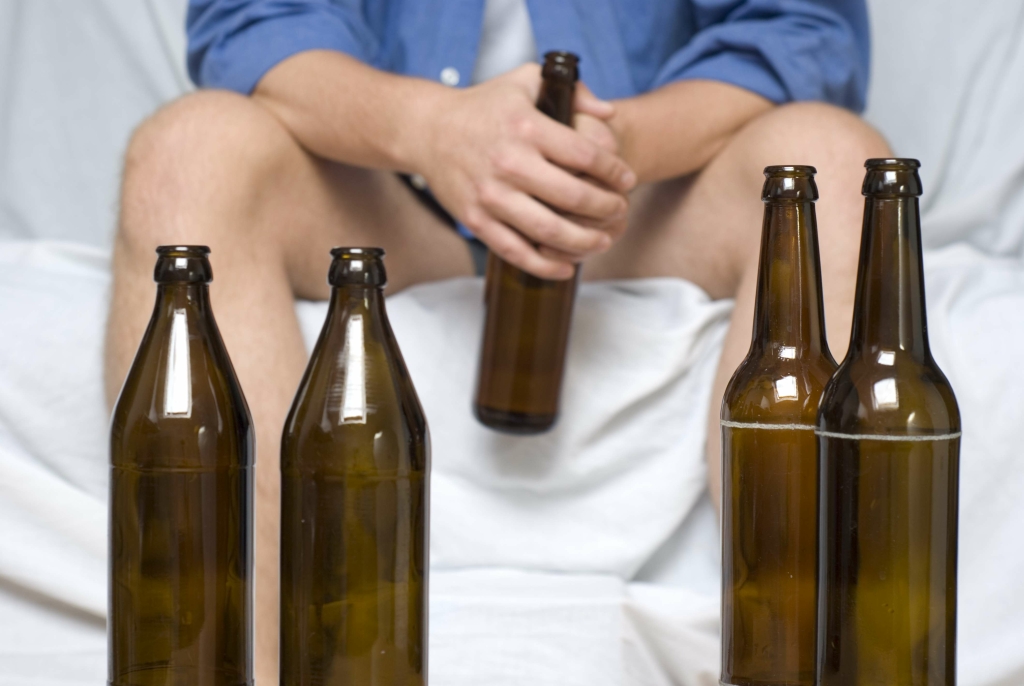
When a person consumes alcohol, it affects the central nervous system, which includes the brain and spinal cord. Alcohol acts as a depressant, slowing down the function of the central nervous system and causing impairment in various bodily functions, including vision. To alleviate blurry vision during a hangover, Twelve-step program it’s important to address the underlying causes.
Rapid Eye Movements
When your body is dehydrated, it can cause your eyes to become dry and irritated. This can lead to symptoms such as blurred vision, sensitivity to light, and difficulty focusing. Examples of individuals who have experienced improved vision after increasing their water intake highlight the effectiveness of this remedy. Consider a person who regularly experiences blurry vision due to dehydration during periods of intense physical activity. By making a conscious effort to drink more water before, during, and after these activities, they notice a significant improvement in their vision.
- This dehydration leaves you with dry eyes because you lack the fluid necessary for tears that hydrate your eyeballs.
- If you are wondering how to get rid of puffy eyes after drinking, you can try applying a cold compress to your eyes to help the swelling subside.
- This can result in a delay in how quickly the eye can focus on objects, leading to blurry or double vision.
- In this article, we will explore why vodka specifically causes blurry vision and explain the scientific reasons behind this phenomenon.
- In the short-term, alcohol consumption can lead to temporary vision disturbances, such as blurry or double vision, as well as dry eyes.
Alcohol slows all of your cells, so your mind struggles to process visual cues. Chronic alcohol abuse takes a toll on overall health, weakening the immune system’s function. As a result, the body is more susceptible to infections, including eye infections. Chronic alcohol consumption can contribute to dry eye syndrome, causing discomfort, irritation, and a gritty sensation in the eyes due to decreased tear production. Heavy alcohol use may increase the risk of developing cataracts, a clouding of the lens of the eye, leading to blurred vision and eventually blindness if left untreated. Cataracts can be treated with cataract surgery, which replaces the natural, clouded lens with an artificial lens.
Treatment and Recovery: Clearing the Fog
Since the impact on your eyes come from internal bodily reactions, there is little you can do to cure the redness, itchiness, and swelling except to wait. Alcohol dehydrates both your body and eyes, creating discomfort and fatigue. For this reason, dry eyes are particularly problematic with chronic alcohol abuse.